10 Steps to Get Insurance to Cover Your Car Repairs

Key Takeaways
- Put safety first after an accident and avoid driving a vehicle that may have serious damage.
- Document the accident scene and vehicle damage with clear photos, notes, and relevant information.
- Review your insurance policy to understand coverage, deductibles, limits, and exclusions before expecting repairs to be paid.
- Report the claim promptly and keep your claim number and insurance communications organized.
- Review repair estimates carefully and choose a qualified repair shop that can properly handle your vehicle.
- Save receipts, estimates, invoices, and other records related to repairs and additional claim expenses.
- Inspect completed repairs carefully and address warning lights, unusual noises, or other problems as soon as possible.
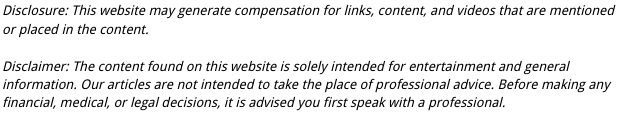
Car repairs can become expensive quickly, especially after a crash, storm, theft, or another unexpected event. If you have auto insurance, your policy may help pay for certain repairs. However, coverage depends on the type of policy you have, what caused the damage, your deductible, policy limits, exclusions, and other details.
Getting insurance to cover a repair is not as simple as taking the car to a shop and sending the insurer the bill. You usually need to report the incident, provide information about what happened, document the damage, and follow the claims process.
Knowing what to expect can make the process easier. It can also help you avoid delays caused by missing documents or misunderstandings about your coverage.
Keep in mind that insurance does not pay for every type of vehicle problem. Normal wear, mechanical breakdowns, and neglected maintenance are generally different from sudden covered events such as certain collisions or weather damage.
If your car has been damaged, the following steps can help you understand the insurance claims process and prepare for repairs.
1. Make Sure Everyone Is Safe First
Before thinking about insurance or repairs, focus on safety.
If you have been involved in a crash, check yourself and your passengers for injuries. If it is safe and possible, move the vehicle out of active traffic. Turn on your hazard lights and follow local requirements for reporting the accident.
Call emergency services when necessary.
Avoid standing in a dangerous area to inspect vehicle damage. Busy roads, poor weather, low visibility, and leaking fluids can create additional hazards.
If the vehicle is not safe to drive, arrange for towing instead of trying to continue driving. Damage to tires, wheels, steering, suspension, lights, or other important components can make a vehicle unsafe even when it still starts.
Do not attempt repairs at the scene unless they are necessary for immediate safety and can be performed safely.
Once everyone is safe and the immediate situation is under control, you can begin collecting information for your insurance claim.
2. Document the Damage and Accident Scene
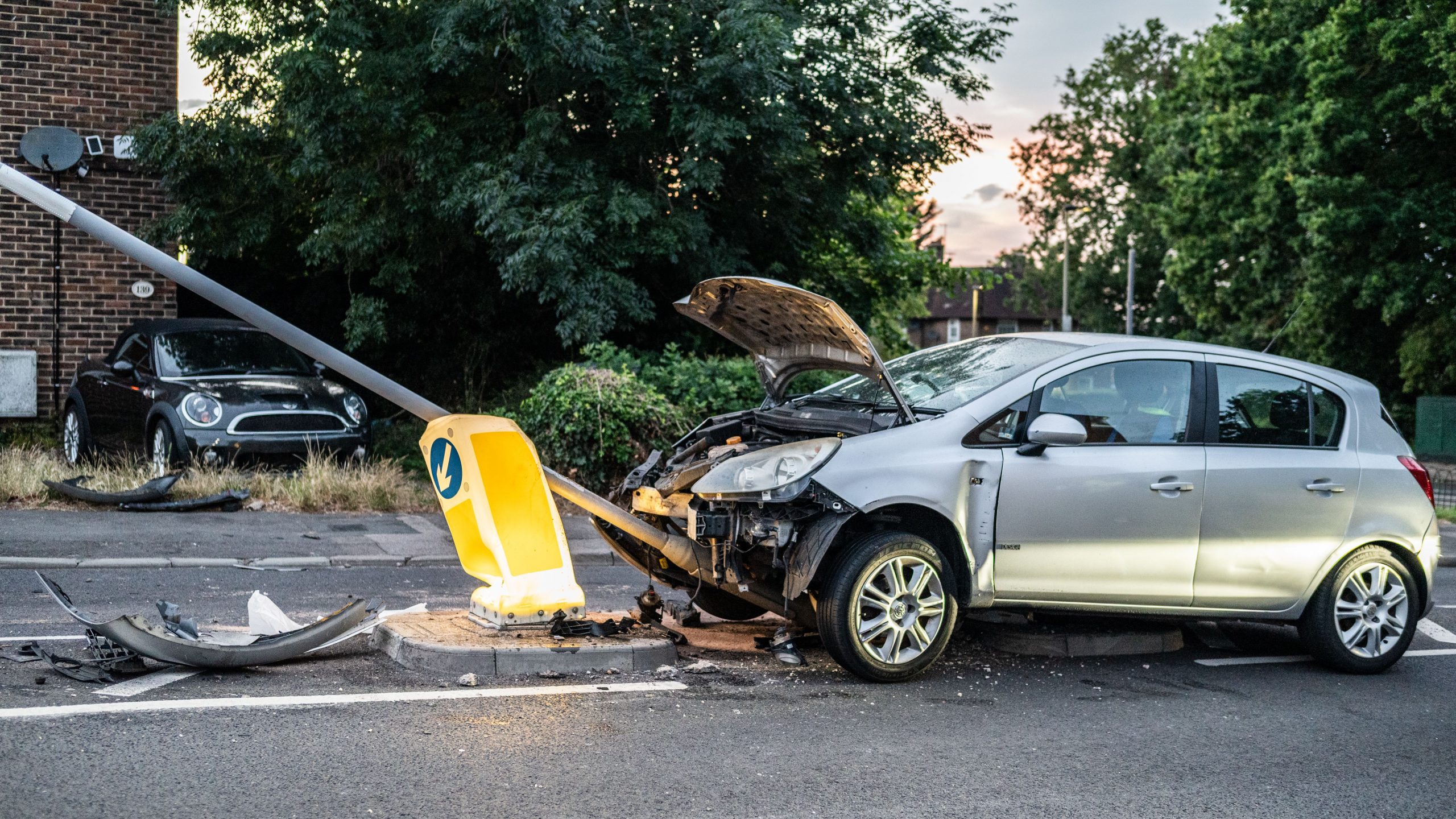
Good documentation can make it easier to explain what happened.
If conditions are safe, take clear photographs of your vehicle from several angles. Capture close-up images of damaged areas along with wider photographs showing the entire vehicle.
For a collision, photograph the other vehicles involved as well. You may also want pictures of road conditions, traffic signs, lane markings, debris, weather conditions, and other details that may help explain the incident.
If another driver is involved, exchange the information required in your location. This may include names, contact details, insurance information, driver’s license information, and vehicle details.
Write down the date, time, location, and a basic description of what happened while the event is still fresh in your memory.
If there are witnesses, collect their contact information when appropriate.
Avoid guessing about facts you do not know. Accurate information is more useful than assumptions when an insurer reviews a claim.
3. Review Your Auto Insurance Policy
Before assuming insurance will pay for the repairs, review your policy.
Different types of auto coverage serve different purposes. Collision coverage may help with damage to your vehicle caused by a covered collision, subject to the terms of your policy. Comprehensive coverage may apply to certain non-collision events, such as theft, vandalism, falling objects, or weather-related damage.
Liability coverage generally addresses damage or injuries you cause to others rather than repairs to your own vehicle.
Your policy may also include other coverage, such as rental reimbursement, roadside assistance, uninsured or underinsured motorist coverage, depending on what you purchased and what is available in your location.
Pay attention to your deductible. This is generally the amount you are responsible for paying on a covered claim before applicable insurance benefits pay the remaining eligible amount.
Also review coverage limits and exclusions.
If anything is unclear, contact your insurer or insurance agent and ask how the relevant part of your policy applies to the incident.
4. Report the Claim Promptly
Once you have handled immediate safety concerns and gathered basic information, report the incident to your insurance company.
Many insurers allow customers to start claims online, through a mobile app, or by phone.
Be prepared to provide your policy information, the date and location of the incident, a description of what happened, information about other vehicles or people involved, and photographs if requested.
Provide accurate information and avoid exaggerating or minimizing the damage.
Ask for the claim number and save it somewhere easy to find. You may need it when speaking with the insurer, repair shop, rental car provider, or other parties.
You should also ask what happens next. Find out whether an adjuster needs to inspect the vehicle, whether you can obtain repair estimates immediately, and what documents the insurer needs.
Reporting promptly can help start the review process and reduce delays.
5. Get the Damage Properly Inspected
Visible damage does not always show the full extent of a vehicle’s problems.
A damaged bumper, for example, may hide broken brackets, sensors, wiring, or structural components. A wheel that looks normal from the outside could be connected to damaged suspension parts.
The insurer may assign an adjuster to inspect the vehicle or ask you to submit photographs through a digital claims system. A repair facility may also inspect the car and prepare an estimate.
A detailed vehicle damage assessment can help identify both obvious and hidden problems that may need to be addressed during the repair.
Do not assume the first estimate will always include every necessary repair. Some damage may only become visible after technicians remove exterior panels or begin working on the vehicle.
When additional covered damage is discovered, the repair shop may need to submit a supplemental estimate to the insurance company for review.
Keep copies of estimates and inspection documents for your records.
6. Understand the Repair Estimate
A repair estimate should explain what work is expected to be performed and what it may cost.
Review the estimate rather than looking only at the final total. It may include labor, replacement parts, paint and materials, diagnostic work, calibration, and other necessary services.
Ask questions if you do not understand an item.
You may also see different descriptions of replacement parts. Depending on the policy, repair, vehicle, and applicable requirements, an estimate could involve original equipment manufacturer parts, aftermarket parts, recycled parts, or repaired components.
Modern vehicles can make estimates more complicated. Cameras, radar sensors, parking sensors, and other driver-assistance systems may need inspection or calibration after certain repairs.
An estimate is not always the final repair cost. Once work begins, technicians may find damage that was not visible during the first inspection.
If that happens, the repair facility can usually document the additional work and communicate with the insurer about a supplement before proceeding with covered repairs.
7. Choose a Qualified Repair Shop
Your insurance company may recommend repair facilities that participate in its network or repair program. These shops may have established procedures for estimates, approvals, billing, and warranties.
However, your options can depend on local laws, your policy, and the circumstances of the claim. Ask the insurer whether you can select your own repair facility if you prefer another shop.
When comparing shops, consider more than price.
Look for experience repairing your type of vehicle and the specific type of damage involved. Ask about technician qualifications, warranties, parts, repair procedures, and expected completion time.
For newer vehicles, find out whether the shop has the equipment needed to handle advanced electronics and safety systems.
Before authorizing repairs, make sure you understand what work has been approved by the insurance company and what expenses you may be responsible for personally.
Good communication among you, the repair facility, and the insurer can help prevent misunderstandings later.
8. Keep Records of Every Claim-Related Expense
Insurance claims can involve more than the repair itself.
Depending on your coverage and circumstances, you may have towing charges, storage fees, rental car costs, transportation expenses, or other claim-related costs.
Save receipts and invoices. Keep copies of emails, estimates, photographs, claim documents, and other important records in one place.
When speaking with your insurer, write down the date, the representative’s name, and the main points discussed. If the insurer requests additional documents, note what was requested and when you submitted it.
Good records can be especially useful if there is confusion about an estimate, reimbursement, or claim decision.
Do not assume an expense will automatically be covered simply because it resulted from the accident. Ask your insurer before making major spending decisions whenever possible.
For example, rental reimbursement coverage may have daily and total limits.
Knowing those limits can help you avoid unexpected out-of-pocket costs while your car is being repaired.
9. Review the Insurance Decision Carefully
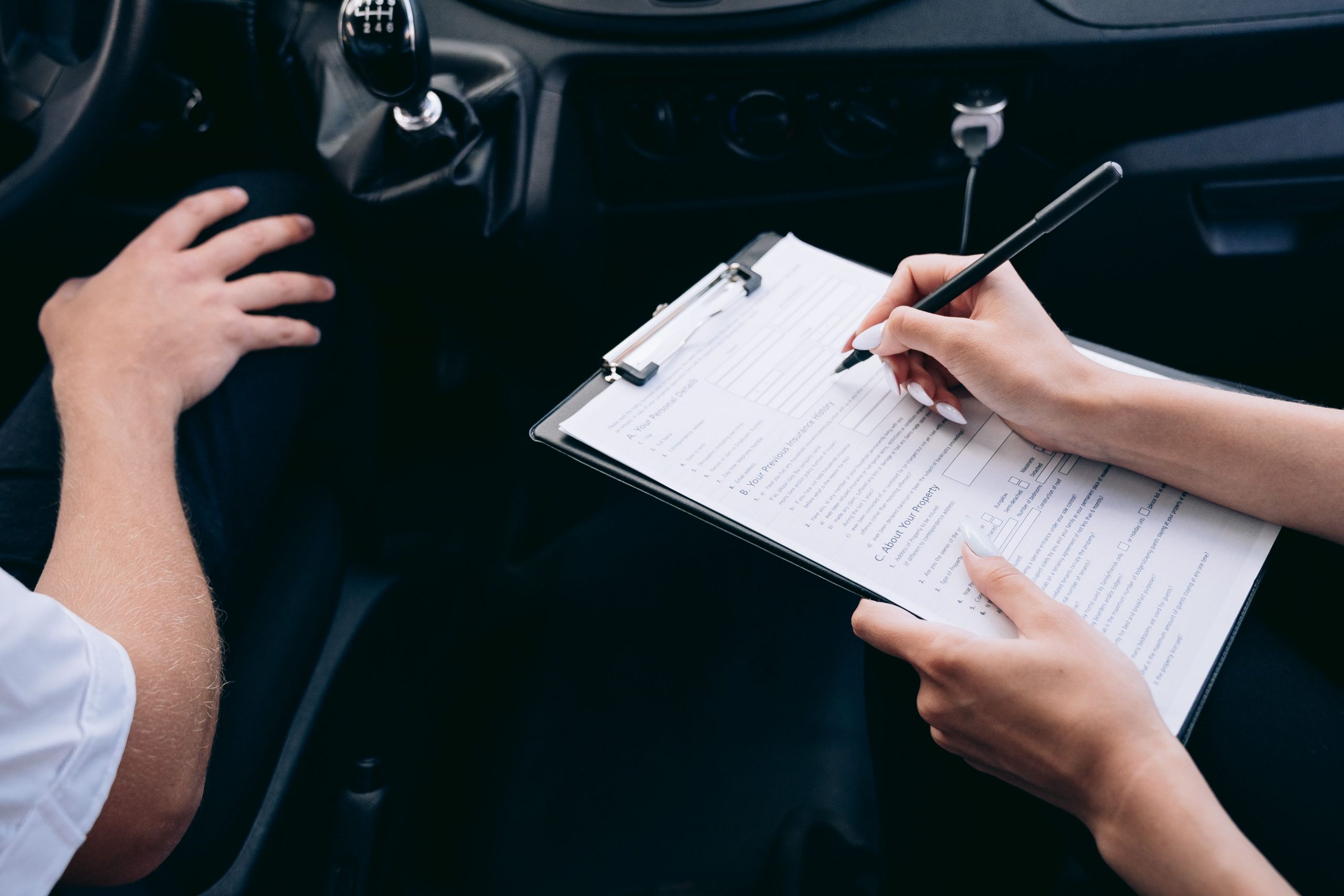
Once the insurer reviews the claim, you should receive information about what is covered and how payment will be handled.
Read the decision carefully.
Compare the approved repairs with the shop’s estimate. Check your deductible and any other amount you are expected to pay.
If the insurer does not cover part or all of the claim, ask for an explanation. There may be a policy exclusion, coverage limitation, dispute about the cause of damage, or missing information.
If you disagree with the decision, ask what review or appeal process is available. Provide supporting documents such as photographs, repair estimates, inspection reports, or other relevant information.
Avoid assuming that a denied item can never be reviewed. At the same time, remember that having auto insurance does not mean every repair will qualify for payment.
Your policy terms ultimately determine which losses are covered.
For complicated or high-value disputes, you may need additional professional guidance based on the laws and insurance rules in your area.
10. Inspect the Vehicle Before the Claim Is Finished
When repairs are complete, inspect the vehicle before considering the process finished.
Ask the repair facility to explain the work that was performed. Compare the final invoice with the approved repair plan and ask about any changes.
Look at repaired exterior areas in good lighting. Check panel alignment, paint appearance, trim, lights, and other visible components.
If the repair involved cameras, sensors, or driver-assistance features, ask whether required calibrations or system checks were completed.
Pay attention to how the vehicle operates after the repair. Unusual noises, warning lights, steering problems, vibrations, or other changes should be reported promptly.
Keep the final repair invoice, warranty information, claim documents, and related records. These may be useful if a repair problem appears later or if you eventually sell the vehicle.
You should also understand whether the repair shop, insurer, or another party provides any warranty on the completed work.
Taking time to review the finished repair can help you identify concerns before too much time passes.
Conclusion
Getting insurance to cover car repairs involves more than filing a claim and waiting for payment. The process starts with understanding what happened, documenting the damage, and knowing which types of coverage are included in your policy.
After an accident or other damaging event, focus on safety first. Take photographs when conditions allow, collect relevant information, and report the claim promptly. Review your coverage, deductible, limits, and exclusions so you have a clearer idea of what the policy may pay.
A careful inspection and detailed repair estimate can help identify the work the vehicle needs. Choose a qualified repair facility, keep records of claim-related expenses, and stay in communication with both the shop and insurance company.
If the insurer does not approve something you expected to be covered, ask for a clear explanation and find out whether additional documentation or a review process is available.
Finally, inspect the completed repair and save your paperwork. Insurance coverage varies by policy and situation, so there is no guarantee that every repair will be paid. However, following an organized claims process can help you provide the information needed for your insurer to evaluate the damage and determine what coverage applies.